Go Green
Get a Quote
Go Green
What Is Cold Mix Asphalt?
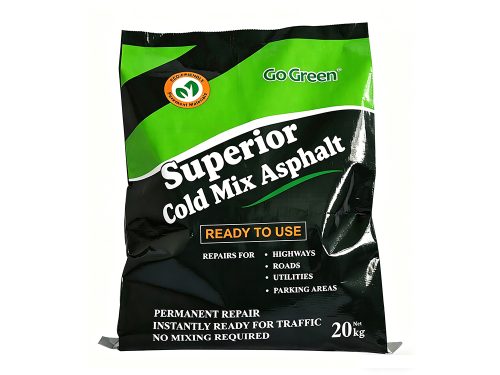
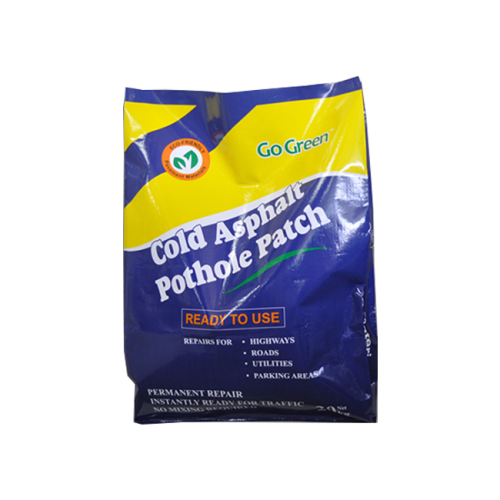
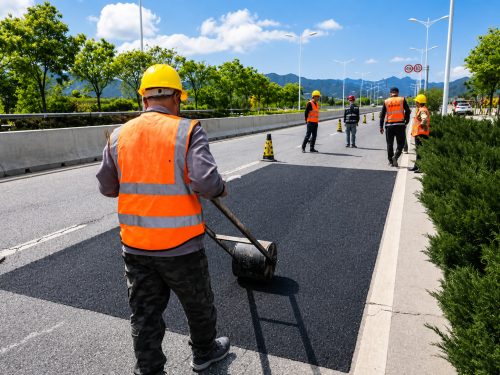
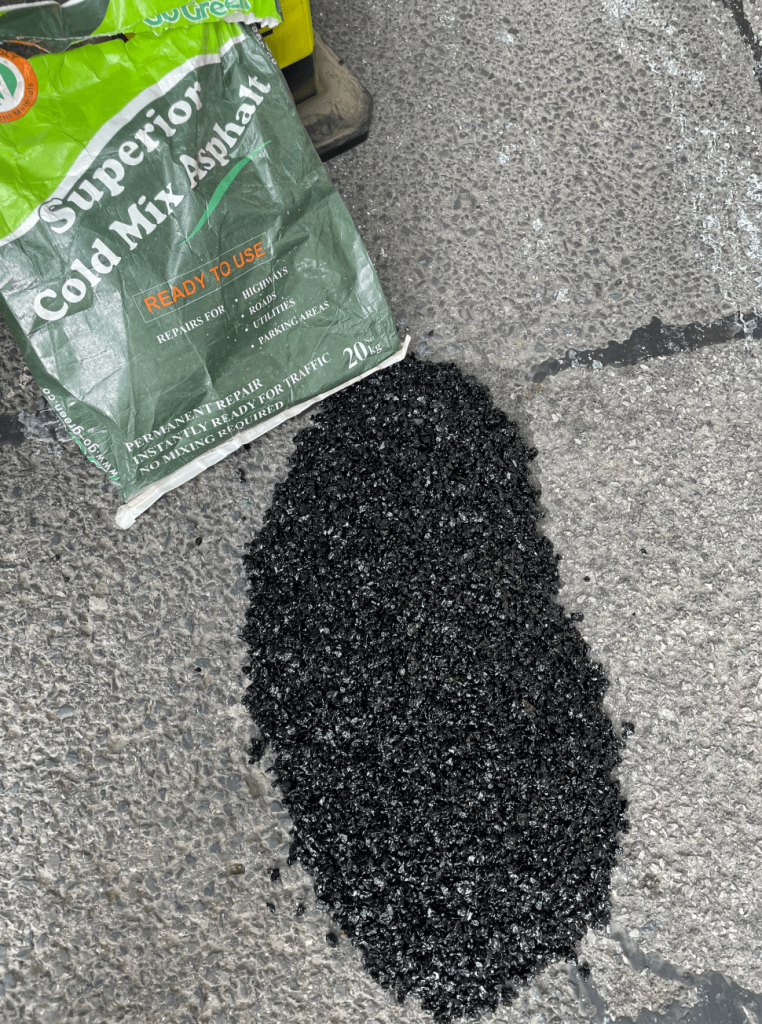
Cold Mix Asphalt (CMA), also known as cold patch asphalt, is a ready-to-use road repair material designed for permanent or semi-permanent pavement repairs without the need for heating or on-site mixing.
Unlike traditional Hot Mix Asphalt , which requires high-temperature production and specialized paving equipment, cold mix asphalt can be applied directly from the bag or container at ambient temperature, making it the ideal solution for emergency road repairs and routine pavement maintenance.
How Does Cold Mix Asphalt Work?
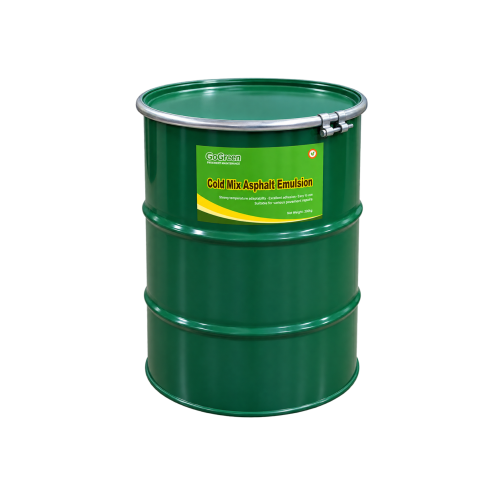
Cold mix asphalt consists of three main components:
The specially formulated additives keep the asphalt workable and flexible at normal temperatures. Once placed and compacted into the pothole or damaged area, the additives gradually evaporate while traffic loading further compacts the material. Over time, the asphalt binder regains its full bonding strength, creating a durable repair that integrates with the existing pavement.
Why Choose Go Green Cold Mix Asphalt?
| Feature | Benefits |
| All-Weather Application | Can be used year-round in temperatures from -30°C to 60°C, even during rain or snow. |
| Immediate Traffic Opening | Roads can be reopened immediately after compaction with no curing time required. |
| Long Service Life | Excellent resistance to aging and weathering, providing repairs that can last over 5 years under normal conditions. |
| Easy Storage | Shelf life of up to 2 years when unopened. Unused material can be resealed for future use |
| Environmentally Friendly | Low-VOC formulation with no asphalt smoke during application. Additives are environmentally friendly and biodegradable. |
| Simple Installation | No specialized equipment required. Repairs can be completed using basic hand tools and compacted with a hand tamper, plate compactor, or vehicle tires. |
Typical Applications of Go Green Cold Mix Asphalt
Cold mix asphalt is suitable for a wide variety of pavement maintenance projects.
1. Pothole Repair
The most common application is repairing potholes on:
Fast repairs prevent small potholes from developing into larger and more costly pavement failures.
2. Utility Cut Reinstatement
Cold mix asphalt is ideal for reinstating trenches created during utility installation or maintenance, including:
Compared with traditional hot mix repairs, cold mix asphalt provides better flexibility and reduces settlement after backfilling.
3. Manhole Surround Repairs
Areas surrounding manholes are difficult to compact properly and often experience settlement.
Cold mix asphalt can be placed slightly above the pavement surface, allowing traffic loading to complete the compaction naturally while maintaining a smooth riding surface.
4. Parking Lot and Bridge Deck Repairs
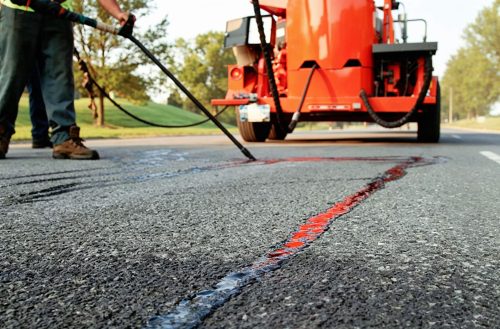
Cold mix asphalt provides a quick and economical solution for repairing localized pavement damage without removing or resurfacing large pavement sections.
Suitable for:
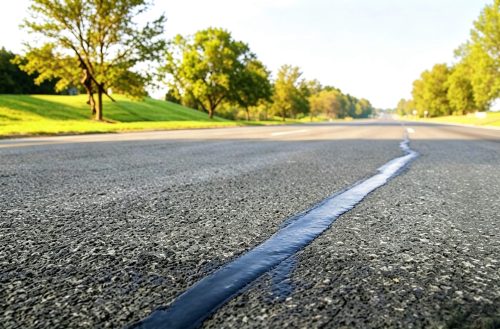
5. Waterproofing and Joint Sealing
Cold mix asphalt can also be used around:
to reduce water infiltration and protect the pavement foundation from moisture damage.
6. Sidewalk and Bicycle Lane Repairs
Its excellent workability makes cold mix asphalt ideal for repairing:
How to Choose the Right Cold Mix Asphalt Grade
Selecting the correct aggregate size is essential for achieving durable repairs.
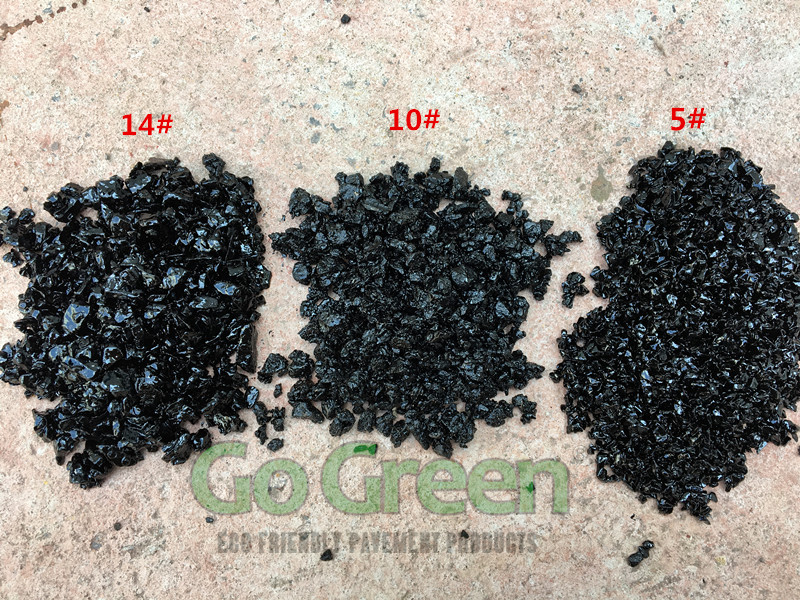
Go Green offers three grades of cold mix asphalt to suit different pothole sizes and pavement conditions.
| Product Model | Gradation Proportionof Aggregates | Core Characteristics | Core Advantages | Application Scenarios |
| AC-5 Cold Asphalt Mixture | 3–5 mm: 85%0–3 mm: 13%Mineral Filler: 2% | Ultra-high fine aggregate ratio; asphalt content 5.5–5.7%; maximum bonding strength | Excellent fitting performance and flatness for small pothole repairs | Fine repairs of tiny potholes, shallow surface cracks, sidewalks and residential pavement |
| AC-10 Cold Asphalt Mixture | 5–10 mm: 61%3–5 mm: 22%0–3 mm: 15%Mineral Filler: 2% | Balanced coarse & fine aggregates; sufficient aggregates within 3–10 mm range; asphalt content 5.2–5.5%; balanced strength and bonding force | Universal mainstream material, outstanding compression and rutting resistance | Conventional potholes on urban arterial roads, high-traffic sections, emergency repairs in rainy season |
| AC-13 Cold Asphalt Mixture | 10–15 mm: 15%5–10 mm: 46%3–5 mm: 22%0–3 mm: 15%Mineral Filler: 2% | Highest proportion of coarse aggregates, wide gradation span; asphalt content 5.0–5.2%; optimal load-bearing performance | Specially for heavy-duty pavements, high bearing capacity, resistant to settlement and cracking | Exclusive for heavy-duty pavements, high load capacity, anti-settlement and anti-fracture |
The “3–4 Times Rule” for Deep Potholes
When repairing potholes deeper than 50 mm (2 inches), the repair should never be completed in a single lift.
Instead, follow the 3–4 Times Rule:
Layered compaction significantly improves structural strength and extends the service life of the repair.
Quick Selection Guide
Installation Tips
Clean the Damaged Area
Remove loose debris, dirt, dust and standing water before placing the material. Loose pavement around the edges should also be removed.
Allow for Compaction
Place the material approximately 10 mm above the surrounding pavement to compensate for compaction during rolling or traffic loading.
Around Manholes
Slightly overfill the repair area to allow passing vehicles to complete the final compaction and achieve a level surface.
Store Unused Material
Unused cold mix asphalt can be resealed and stored for future repairs, minimizing material waste.
Conclusion
Choosing the right cold mix asphalt grade and following proper installation practices are the keys to achieving long-lasting pavement repairs.
Whether you’re repairing small surface defects, utility cuts, deep potholes, or heavy-duty industrial roads, Go Green Cold Mix Asphalt provides a reliable, cost-effective, and easy-to-use solution for year-round pavement maintenance.

Armenian

Chinese (Simplified)

Chinese (Traditional)

English

French

German

Igbo

Korean

Romanian

Spanish

Thai
Send us your annual volume, climate and packaging requirements and we will come back with grading, pricing and lead time. We supply municipalities, contractors and distributors worldwide.
Mon–Fri, 09:00–18:00 (GMT+8) Replies within one business day